


Lesotho Strengthens Climate Resilience Through Launch of Early Warning Systems Phase II
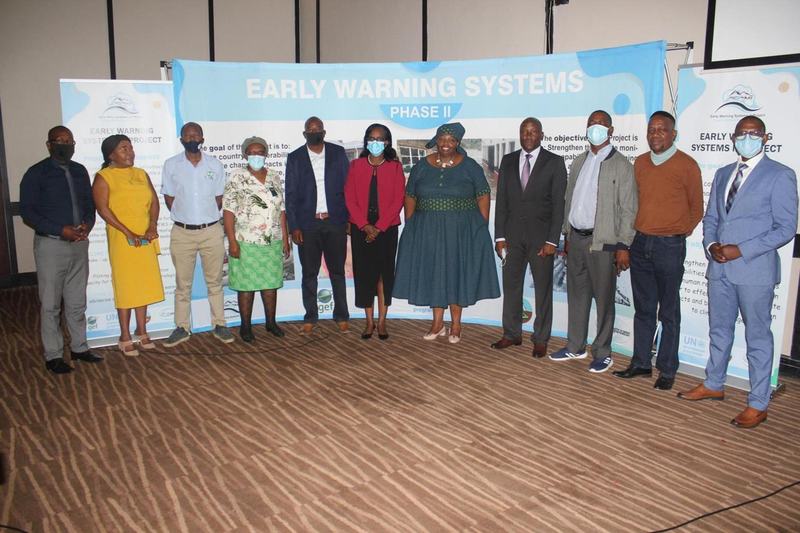
The Government of Lesotho, through the Ministry of Energy and Meteorology and the Lesotho Meteorological Services (LMS), in collaboration with the United Nations Environment Programme (UNEP), officially launched the second phase of the Early Warning Systems (EWS) Project aimed at strengthening climate resilience and disaster preparedness across the country.
The launch marks another significant milestone in Lesotho’s efforts to address the growing impacts of climate change and climate variability, which continue to threaten livelihoods, food security, infrastructure, and socio-economic development.
Early Warning Systems are essential tools for climate change adaptation and disaster risk reduction. They help communities and institutions anticipate hazardous weather and climate events, enabling timely action that can reduce loss of life, damage to property, and economic disruptions.
The Phase II initiative focuses on improving weather and climate monitoring systems, strengthening forecasting capabilities, enhancing dissemination of warnings, and increasing public awareness and preparedness. The project also seeks to ensure that vulnerable communities receive accurate and timely information to support early action and informed decision-making.
Speaking during the launch, the Minister of Energy and Meteorology, Honourable Mohapi Mohapinyane, highlighted Lesotho’s increasing vulnerability to extreme weather events.
“Lesotho, as a mountainous and landlocked Least Developed Country, continues to experience severe impacts of climate change and climate variability. The country is already facing severe droughts, early frosts, strong winds, heavy snowfall, hailstorms, thunderstorms, and even unusual summer snowfall events,” said the Minister.
He further noted that these extreme events continue to destroy infrastructure, damage agricultural production, threaten water resources, and place many households in situations of chronic vulnerability and food insecurity.
The United Nations Resident Coordinator, Mr. Salvator Niyonzima, also emphasized the urgency of strengthening climate resilience in Lesotho.
“Climate change has become a major driving force behind recurrent droughts and food insecurity in Lesotho, affecting hundreds of thousands of people. Strengthening early warning systems is therefore critical for protecting lives, livelihoods, and national development gains,” he stated.
The launch of EWS Phase II demonstrates the continued commitment of the Government of Lesotho and development partners towards building a climate-resilient nation capable of responding effectively to weather and climate-related hazards.
Lesotho Meteorological Services remains committed to providing reliable weather, climate, and early warning information to support sustainable development and safeguard communities against the increasing risks associated with climate change.